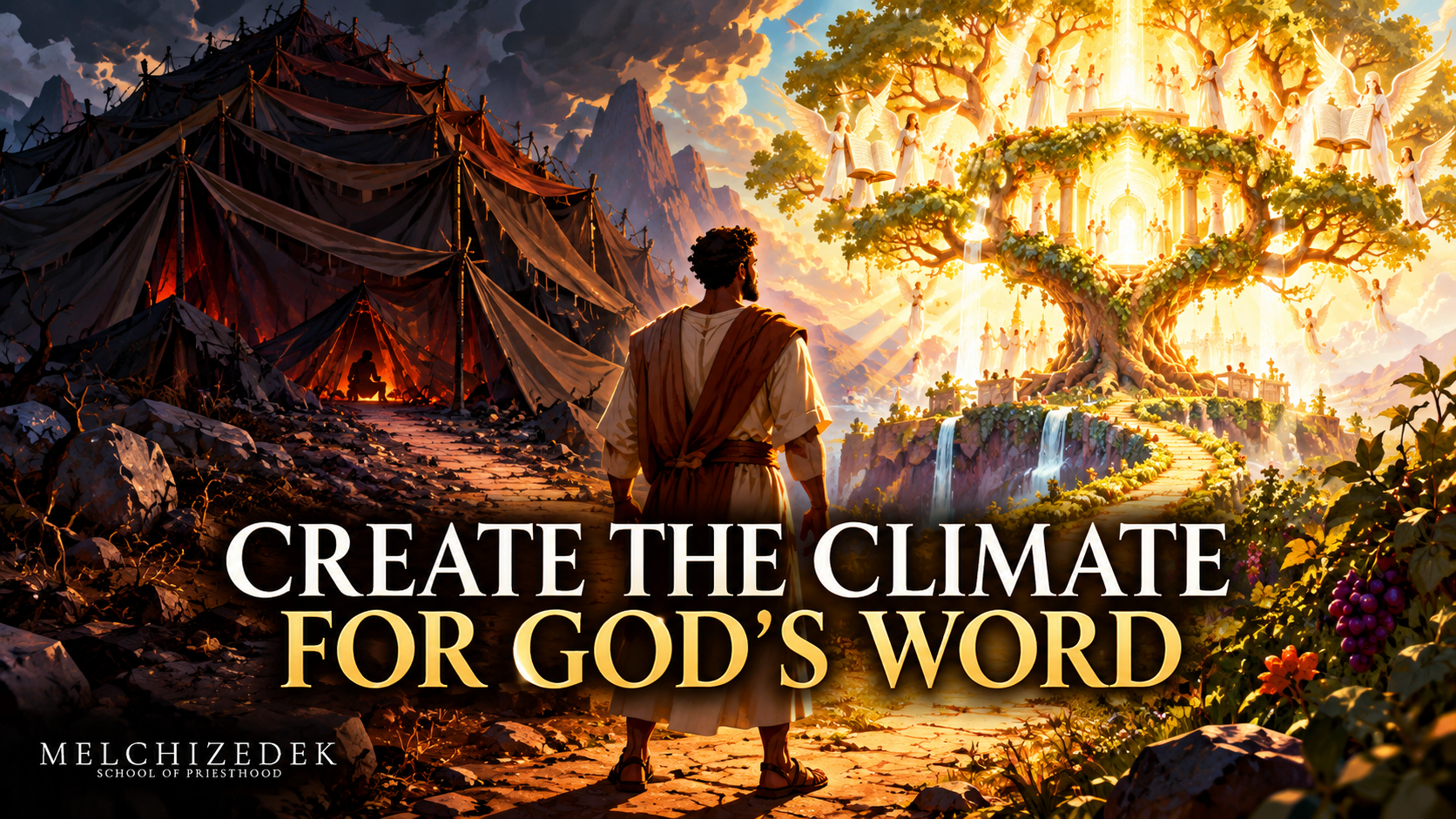
Building a Tabernacle Through Repeated Encounters with God
Francis Isibor Jr
Source:
Melchizedek School of Priesthood
Oct 8, 2026 • 2 views
• October 23, 2025 • 142 views
The MSOP meeting opens with extended worship and a prayer for receptive hearts, then reviews the preceding discussion of sonship. Several participants recall Genesis’s garden, John 15’s vine and branches, Proverbs 8’s wisdom and 2 Corinthians 3’s transformation. The main teacher develops a distinction between possessing life and maturing into a life-giving expression of it: he reads Adam’s placement in Eden as an environment for growth and applies that image to believers’ sustained fellowship with Christ. Crucially, he explicitly presents his interpretation as his own thought, invites correction and rejects forcing the congregation to accept it. The claims that Eden’s trees represent spiritual entities and that Adam’s development explains sonship are interpretations expressed in the discussion, not independently established historical facts. The dialogue compares foods that look attractive with teachings that appear convincing. Genesis 2:9 and the temptation narrative are connected to Galatians 1 and John 15: discernment requires more than outward appeal, and abiding should produce conduct resembling Christ. Participants expand the argument with theories about Adam’s discernment, Eve’s deception, trees as beings and wisdom as a personality; these contributions remain distinct from the teacher’s exposition. The teacher then insists that speaking about sonship is insufficient: it must become visible in deeds and conversation. Hebrews 1 and Galatians 4 supply his language of inheritance and maturation. He explicitly applies the category of sonship to all believers rather than limiting it to men. His wider inheritance claims are theological applications, not promises that spiritual maturity guarantees possessions or authority over other people. The final teaching movement turns to Psalm 119:19, 1 Corinthians 15:19, Luke 12 and Jacob’s pilgrimage in Genesis 47. The teacher argues that an eternal horizon should loosen attachment to accumulation and shape daily choices. A participant’s answer to his question about Eve is clarified before he returns to the Psalm; his belief that believers’ manner of life helps bring an age to its end is retained as his eschatological interpretation rather than a forecast. He closes the teaching and invites further contributions. A distinct closing leader develops the practical need to unlearn familiar patterns, ask for help and embody the truth rather than merely preach it, then leads prayer and communion. Immersion on December 28 and the next PHB meeting are announced before the grace and dismissal.
Study note: Caption-based study. Scripture references include explicitly cited passages, speaker allusions and editorial supporting connections. Prayer points are editorial reflections, not verbatim quotations.
Receive and grow. Father, make our hearts receptive to your word and help us remain in Christ so that patient, loving fruit grows in our lives.
Discern with humility. Give us wisdom to test what we hear, remain open to correction and choose what nurtures truth and love.
Practice what we hear. Help our words, choices and treatment of others reflect the truth we profess; lead us beyond religious self-description into faithful action.
Walk faithfully as pilgrims. Give us an eternal horizon, freedom from grasping and grace for responsible, generous daily decisions.
Francis Isibor Jr
Oct 8, 2026 • 2 views
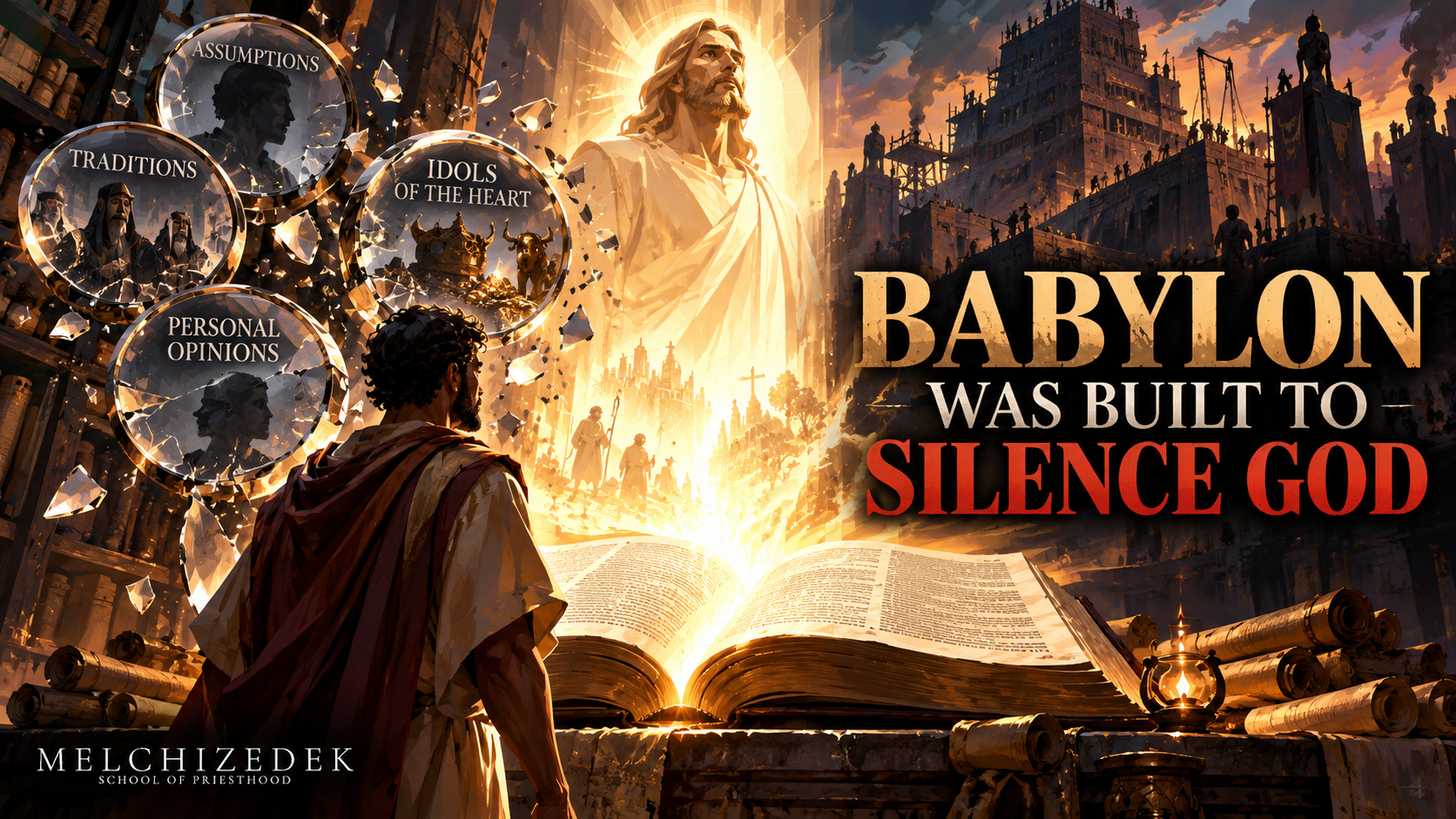
Francis Isibor Jr, Francis Isibor Snr
Oct 1, 2026 • 1 view

Francis Isibor Jr, Francis Isibor Snr, Samson Ototobor
Sep 24, 2026
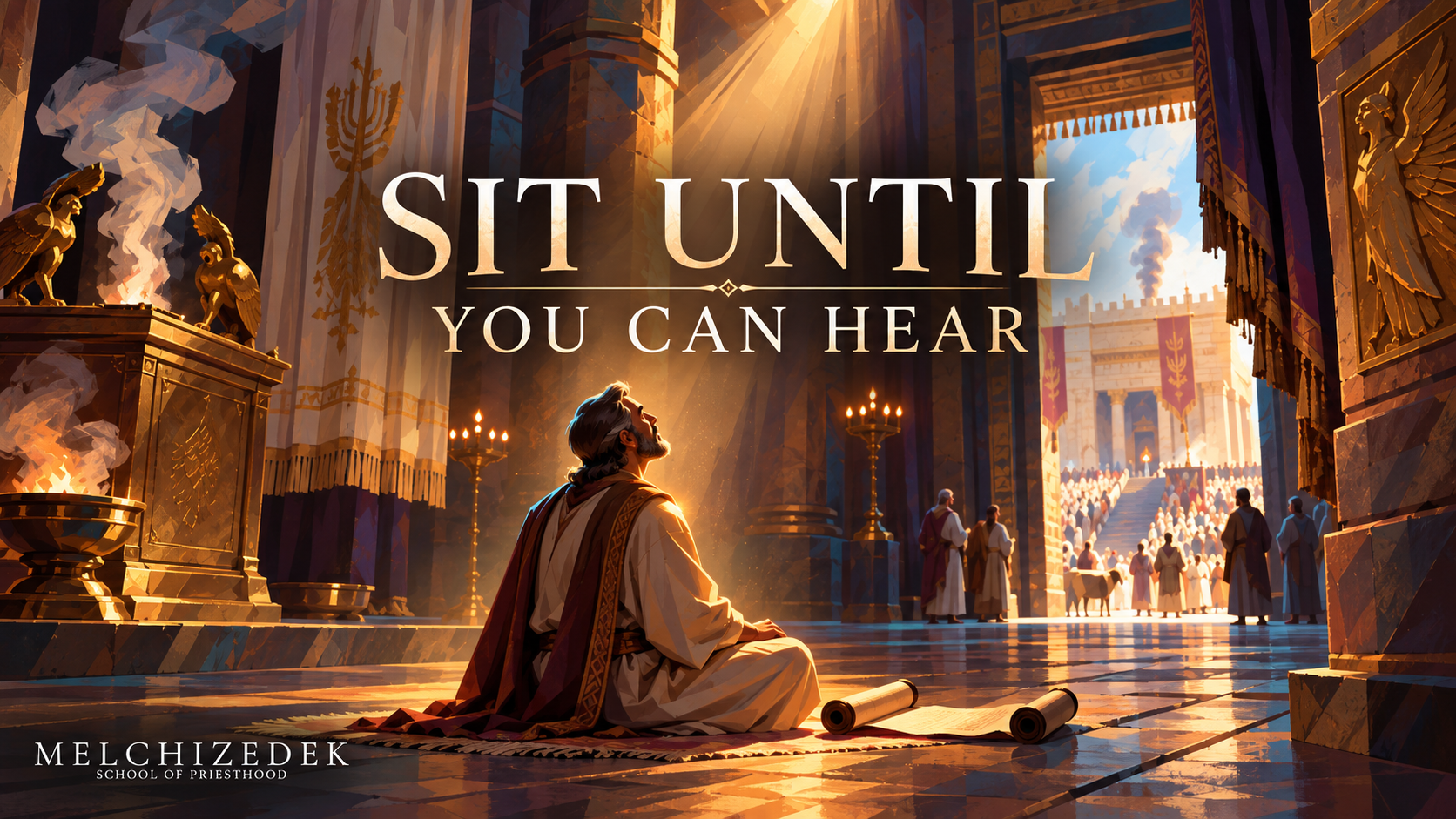
Chuddy Ubajekwe, Francis Isibor Jr, Samson Ototobor
Sep 17, 2026 • 11 views