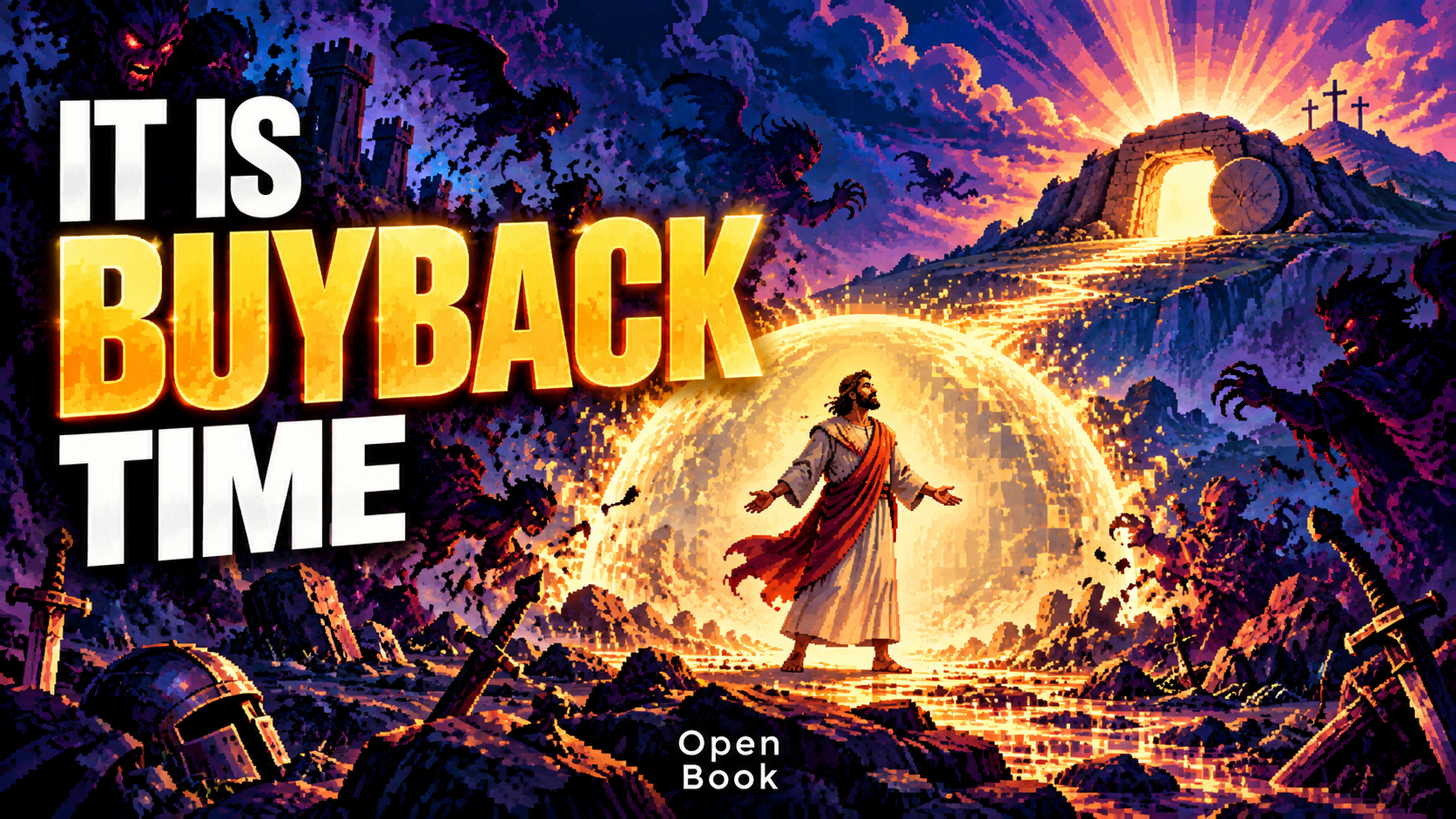
The Redemptive Power in the Blood of Jesus
Chinyere Isibor
Source:
Open Book
Oct 13, 2026 • 4 views
• March 25, 2025 • 8 views
The Open Book meeting begins with thanksgiving, prayers for understanding and an invitation to approach God through Christ. The main teacher then frames the covenant series as a way of knowing God’s character and dealings. Jeremiah 9:23-24 supplies the initial contrast: wealth, strength and cleverness are inadequate grounds for boasting, while knowing the Lord means learning his lovingkindness, judgment and righteousness. The teacher urges the fellowship to value spiritual growth rather than wealth-based status. The middle of the message explores mercy, correction, fear and faith before returning to God’s covenant with Abraham. The teacher distinguishes covenant promises, terms and tokens, and reads Deuteronomy 7 to connect Israel’s history with God’s love and oath to the fathers. Personal stories about fear, religious teaching and healing support the teacher’s call to let Scripture shape the heart; these accounts and claimed causes of illness are not independently verified. The constructive practical thread is sustained engagement with Scripture, willingness to receive correction, and a community that helps people grow rather than cultivating fear. Romans 9 develops the distinction between descent and the children of promise, with Isaac as the teacher’s central example. The discussion then interprets the Abrahamic blessing and land typologically in relation to Christ, before reading Genesis 27 and urging listeners to value their inheritance. Some remarks about biblical figures go beyond what the cited verses establish and remain the teacher’s interpretations. The meeting concludes by treating the communion bread and cup as covenant tokens, praying for the community and its families, announcing a future study and upcoming gatherings, and sharing the grace. Its central appeal is confidence in God’s covenant faithfulness expressed through attentive, responsive discipleship.
Study note: Caption-based study. Scripture references include explicitly cited passages, speaker allusions and editorial supporting connections. Prayer points are editorial reflections, not verbatim quotations.
Date note: The displayed date is a source-labelled meeting date; an independent publication/livestream date was not recoverable from the supplied record.
Know your character. Lord, help us know your lovingkindness, justice and righteousness, and keep status or possessions from becoming our measure of worth.
Trust your faithfulness. Teach us to trust you with humility, to listen carefully and to respond faithfully to what your word asks of us.
Form us through your word. Give us patient understanding, courage to seek wise help and freedom from teachings that cultivate fear. Shape our daily habits through truth and love.
Live gratefully in Christ. Thank you for the welcome we receive through Christ. Help our fellowship remember your mercy and care for one another as we share the bread and cup.
Chinyere Isibor
Oct 13, 2026 • 4 views

Chinyere Isibor
Sep 15, 2026

Chinyere Isibor
Sep 8, 2026

Chinyere Isibor
Aug 18, 2026 • 2 views