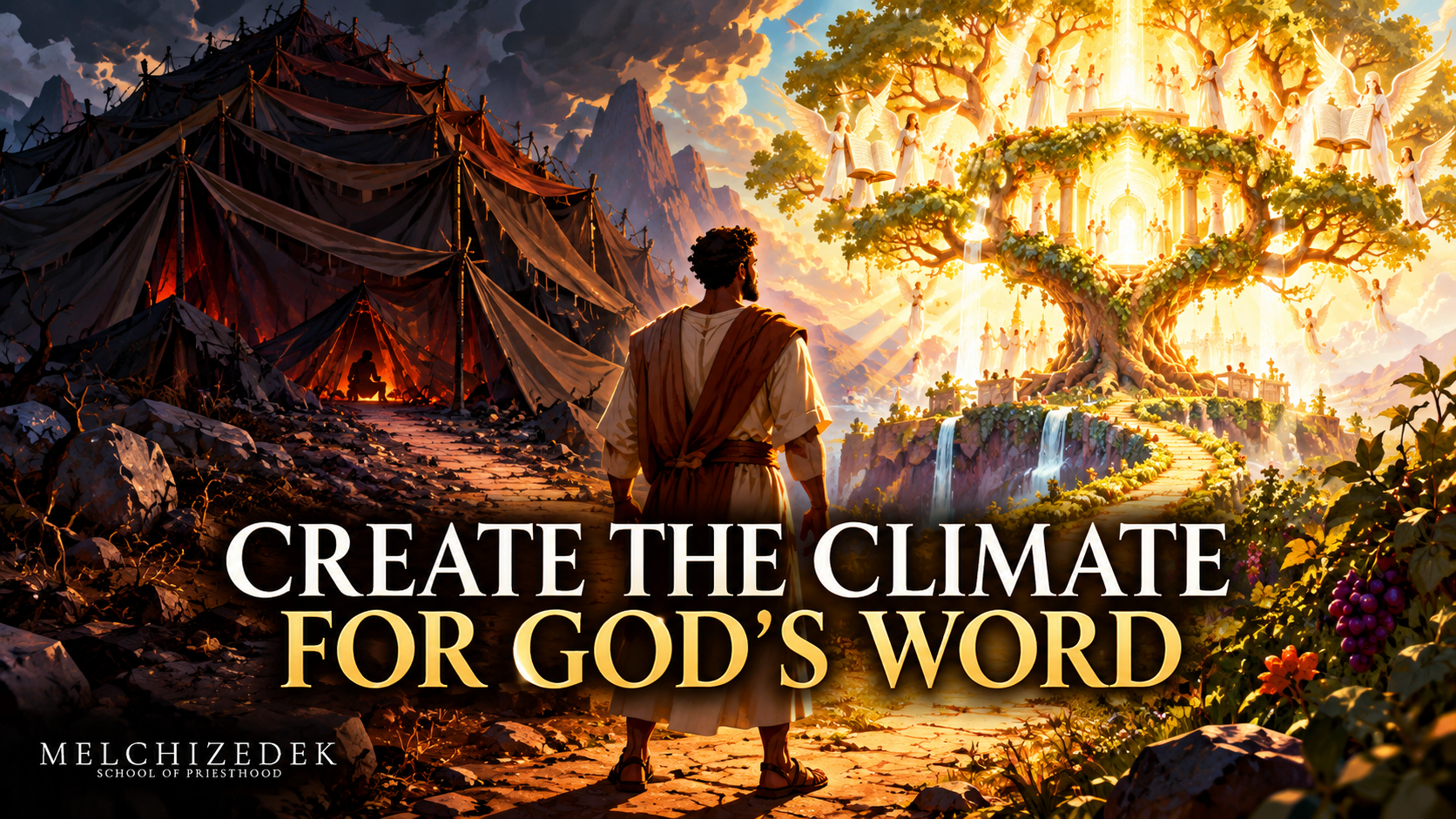
Building a Tabernacle Through Repeated Encounters with God
Francis Isibor Jr
Source:
Melchizedek School of Priesthood
Oct 8, 2026 • 2 views
• August 28, 2025 • 195 views
After opening worship, this interactive Melchizedek School of Priesthood session asks how believers learn to worship in spirit and truth. John 4, especially Jesus’ conversation at the well, frames the first teaching: worship should be learned through the Spirit and governed by the word rather than improvised independently of God. The speaker uses the law written on stone, the penetrating word and the ordered path of discipleship as images of attentive engagement. Questions then explore the word’s effect on the person, the Samaritan woman’s role and divine mercy. The discussion ranges through Rahab, Ruth, women who approached Jesus and his encounters with accusers. Its practical emphasis is humility and a receptive heart; speculative labels and historical claims in those retellings are not adopted as established facts. A question about Pharaoh and Judas leads to a second speaker’s account of choice and hardness: repeated resistance is said to create spiritual momentum, while God can use rebellion within his purpose. The teaching then returns to John 4 and develops an extended analogy of heaven as a community exchanging the likeness of Christ. Revelation 4’s living creatures, elders and surrendered crowns are interpreted through this framework, with worship presented as offering a Christlike response and receiving further formation. Jacob’s livestock, Eden and the patterns associated with Moses and David supply further illustrations. These elaborations, including claims about angels, genetics and heavenly government, are the speakers’ interpretations rather than verified scientific or historical descriptions. Glory is applied practically to righteous response under temptation, difficulty and persecution. The final exposition interprets day and night as revelation and mystery, linking the word, creation and successive seasons with the unveiling of Christ. Further participant contributions stress growth, seeking God, study and the mutual contribution of fellowship. The central response is made concrete: believing the word should bear fruit in righteousness, including when a person is pressed or tested. Prayer asks for readiness, a contrite heart and an offering that reflects Christ. The closing speaker thanks the congregation for participating, encourages persistence in teaching Christ and contrasts the enduring life of God with the pursuit of money. The meeting ends with a communion invitation, retreat and conference notices, shared grace and music.
Study note: Caption-based study. Scripture references include explicitly cited passages, speaker allusions and editorial supporting connections. Prayer points are editorial reflections, not verbatim quotations.
Editorial prayer: learning true worship. Lord, teach us to worship with a heart shaped by your word and guided by your Spirit.
Editorial prayer: humility and mercy. Help us receive mercy with humility and treat others without self-righteous contempt.
Editorial prayer: fruit under pressure. When we are tested, help us respond with patience, truth and Christlike conduct.
Editorial prayer: shared growth. Strengthen our study, fellowship and willingness to contribute thoughtfully to one another’s growth.
Francis Isibor Jr
Oct 8, 2026 • 2 views
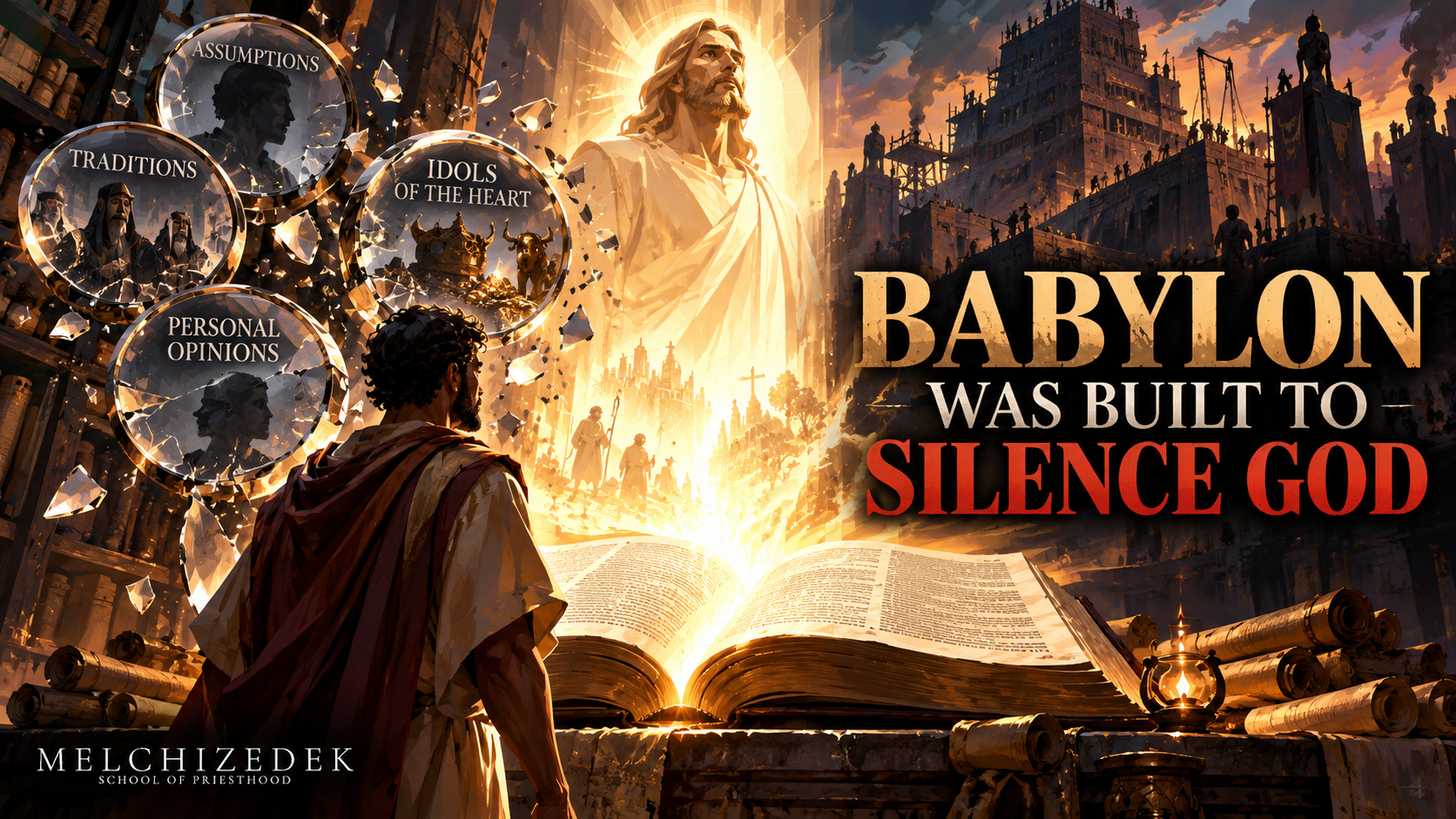
Francis Isibor Jr, Francis Isibor Snr
Oct 1, 2026 • 1 view

Francis Isibor Jr, Francis Isibor Snr, Samson Ototobor
Sep 24, 2026
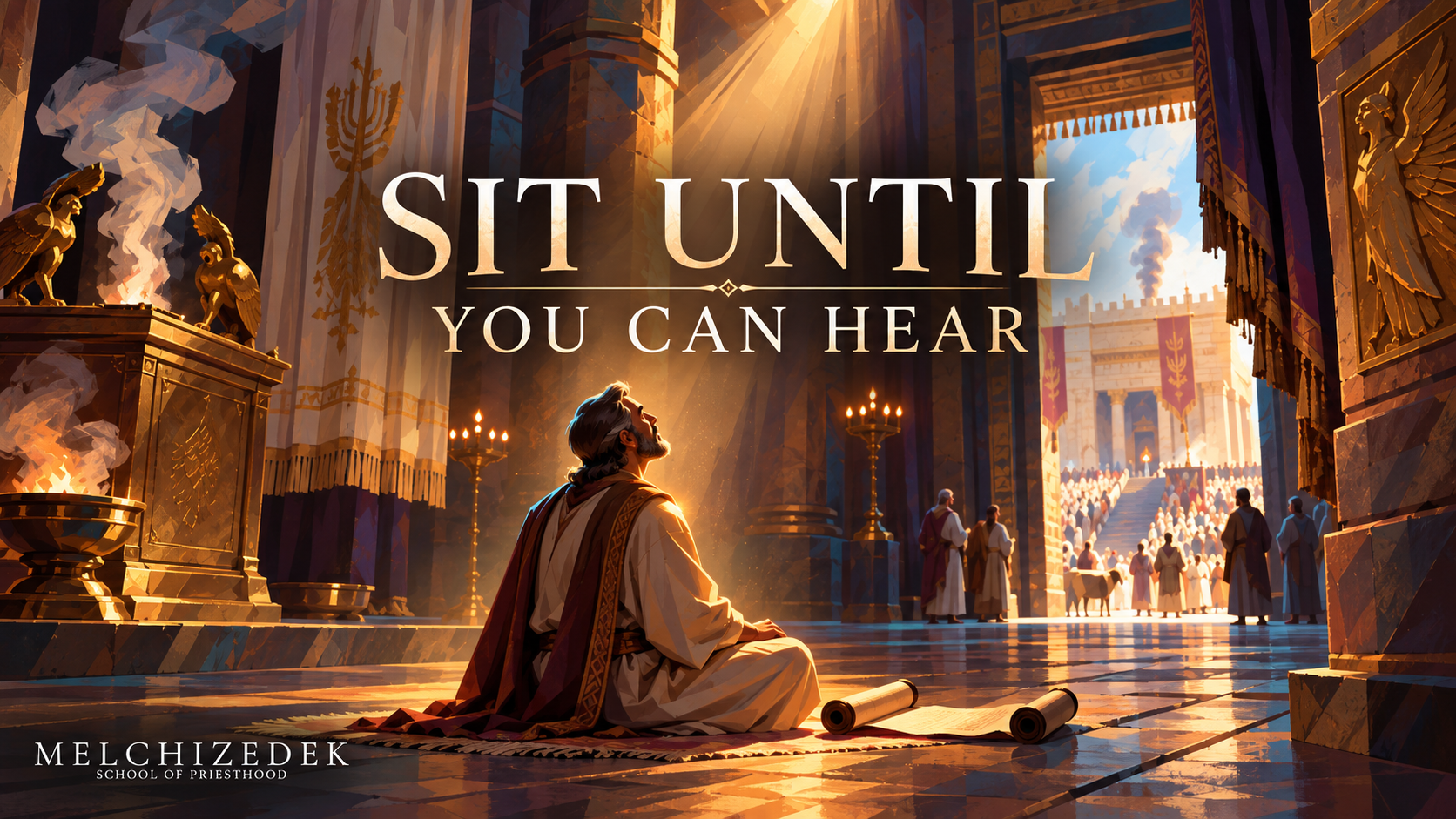
Chuddy Ubajekwe, Francis Isibor Jr, Samson Ototobor
Sep 17, 2026 • 11 views
 1 shared theme
Apr 28, 2026 • 21 views