Preparing His bride
Francis Isibor • August 9, 2025 • 183 views
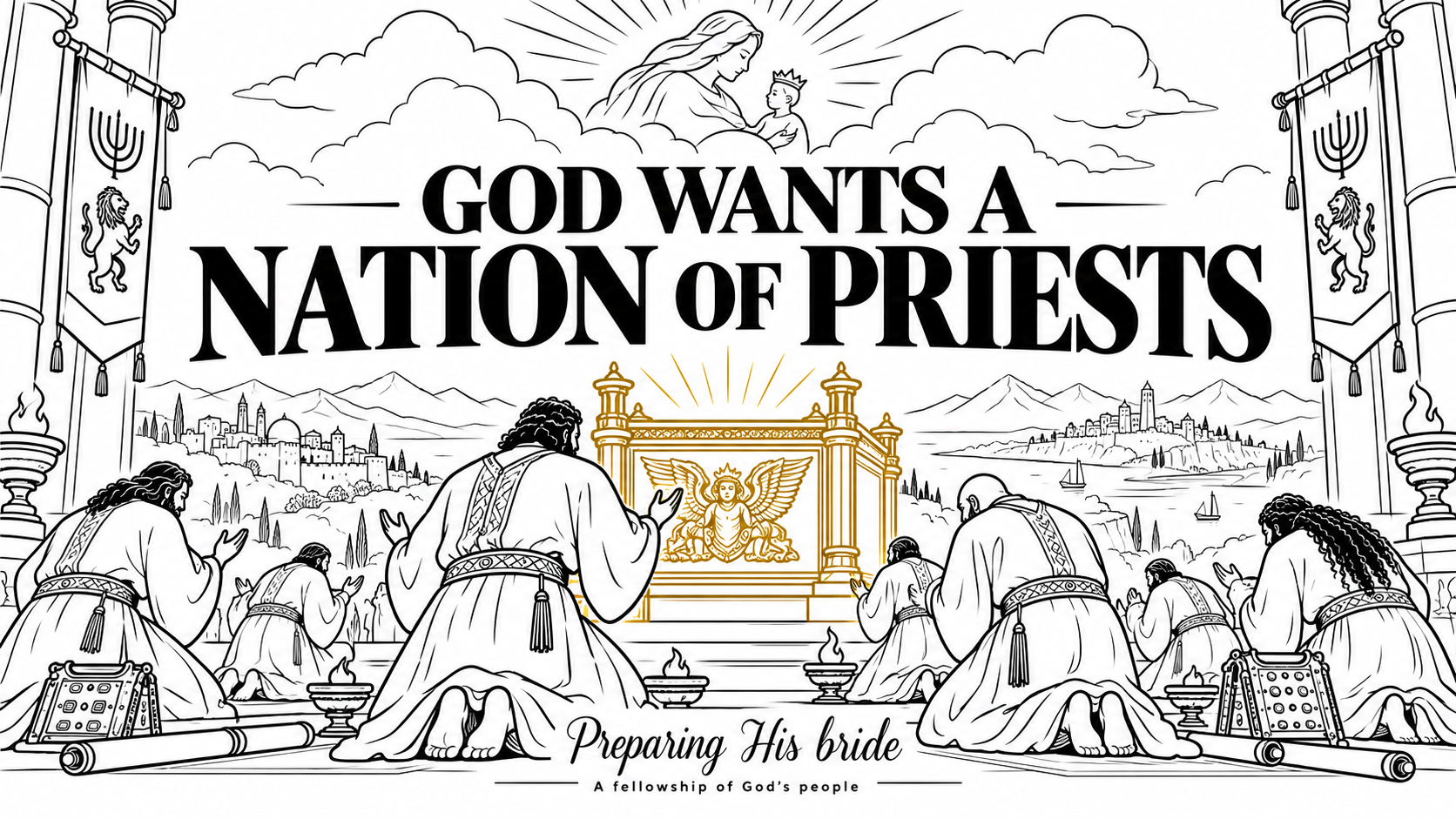
The recording opens with extended worship and a communal send-off for a newly married couple. Luke 5:33-35 is applied to the friends of the bridegroom, followed by prayer for the couple and other adults hoping to marry, a remote blessing, and appreciation for ministers serving alongside the community. The principal teaching then argues that sonship means maturity, responsibility and care for the Father’s estate. The speaker challenges dependence on a pastor as a substitute for growth and says prayer and fasting must serve God’s purpose rather than religious appearance. The prodigal son, family inheritance and the different parts of a body illustrate staying faithful to one’s entrusted place, learning from godly fathers and protecting what has been received. Ordinary care for shared property is treated as a revealing expression of the heart. The sermon joins sonship to priesthood, fruitfulness and the transmission of God’s life. Its allegorical treatment of Levitical bodily qualifications leads into the seed of the kingdom in Matthew 13 and the fruit-bearing vine of John 15. Galatians 4 describes the heir who remains under guardians while immature; congregational readings from Ephesians, Colossians and Romans then connect growth with Christ, the Spirit’s leading and shared inheritance. Romans 8 also supplies the theme of suffering with Christ before glory, illustrated through the removal of a coconut’s outer layers. The speaker qualifies his counsel about fathers by referring to those who fear God. Hebrews 11:6, Isaiah 66, Psalm 1, Genesis 1 and Christ’s relation to the Father support sustained attention to the word. Psalm 8 and Isaiah 60 broaden the argument toward human vocation and spiritual authority. Speculative claims about marine spirits and the meaning of glorification remain attributed interpretations. The final movement treats miracles as compassionate signs that should lead people toward righteousness and discipleship, rather than build a minister’s reputation. A later contributor expands Matthew 11:4-5 into inward sight, hearing, walking and new life, while interpreting the resistant heart as the unjust judge in Luke 18. Matthew 9’s blind men, the woman touching Jesus’ garment and Jacob’s solitary encounter support a call to persistent prayer that engages what has been heard. These spiritual and healing interpretations are not established medical explanations. The community prays to experience sonship and priesthood as lived realities, then shares communion with teaching about identity, redemption and forgiveness. A further welcome and blessing for the newly married couple, historical programme and conference notices, and an explicit appeal to set aside time during the coming week for prayer precede the grace, dismissal and closing music.
Study note: Caption-based study. Scripture references include explicitly cited passages, speaker allusions and editorial supporting connections. Prayer points are editorial reflections, not verbatim quotations.