The Redemptive Power in the Blood of Jesus
Chinyere Isibor
Source:
Open Book
Oct 13, 2026 • 6 views
Chinyere Isibor • July 8, 2025 • 104 views
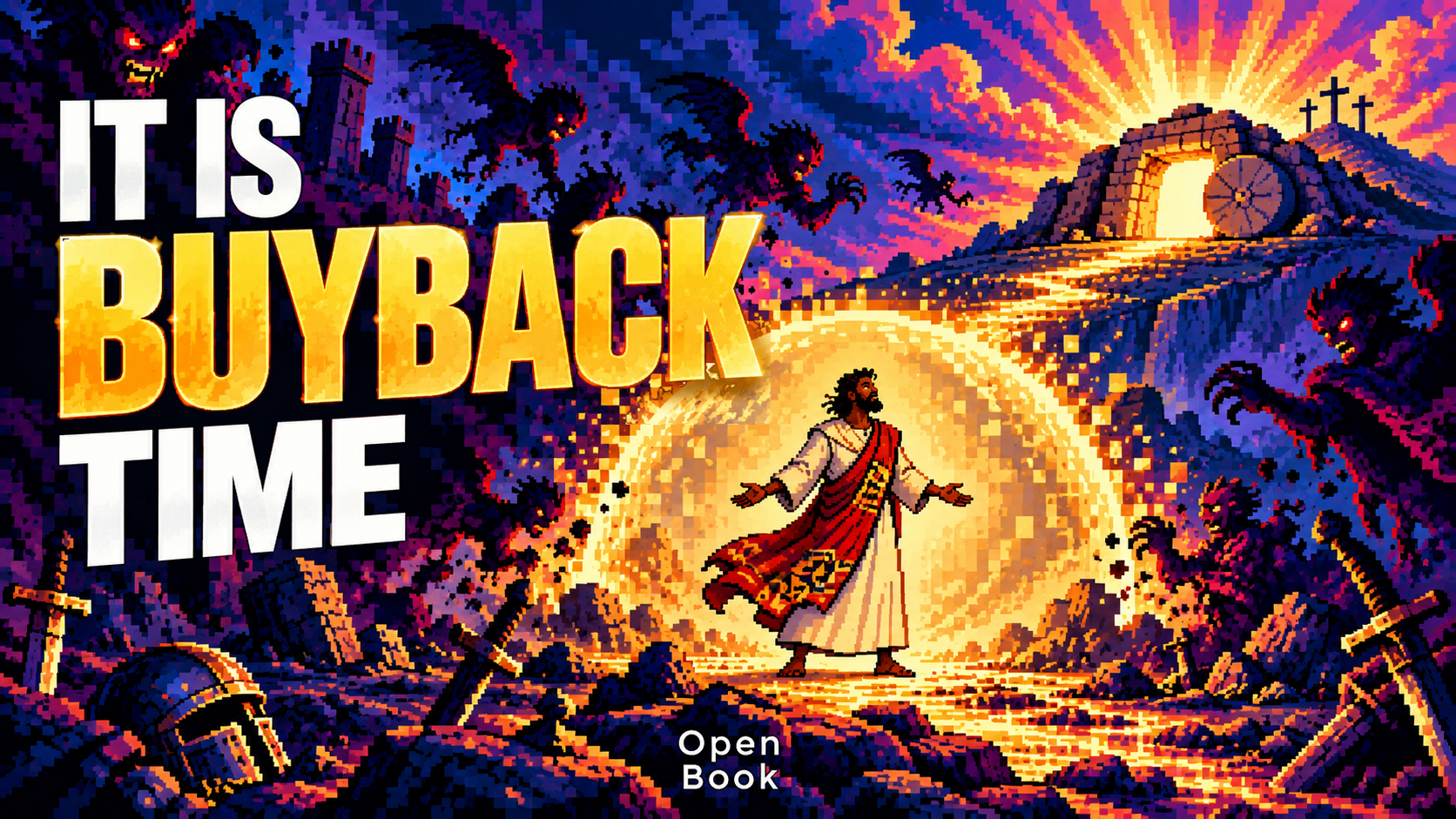
Opening prayer thanks God for revelation and asks for strength, fruitful hearing and freedom from distraction. Francis Isibor Jr. then introduces himself as standing in for the usual Open Book teacher and revisits the previous week’s identity theme. He argues that Christ’s provision is already given, while believers progressively awaken to and experience it. Second Peter 1, John 1 and John 17 connect grace, divine life and knowing God; infant development and a delivered gift serve as analogies for discovering what has been received. John 7, 2 Timothy 1:12, John 3 and Hebrews 11 develop his central claim that believing should lead into lived, spiritual knowledge rather than remain intellectual information alone. The exposition identifies the mystery in Colossians 1 as Christ within the believer, then joins it to 1 Corinthians 1’s wisdom, righteousness, sanctification and redemption, adding the forgiveness of sins from Ephesians 1. The speaker applies this identity to spiritual warfare, arguing that confidence rests on Christ’s work rather than personal achievement. An extended typological account of Moses, the tabernacle and the ark pictures provision that enables people to approach what they have not yet fully experienced. Romans 1 and a discussion of faith-shaped conduct then connect receiving the gospel with Christ’s character becoming visible. A lengthy contrast between present-age achievements and what the speaker expects to endure in a future age leads into practical examples of kindness, generosity and priestly responsibility; his sweeping claims about worldly accomplishments and future rewards remain attributed interpretations. A question about knowing before trusting prompts a further explanation of faith as persuaded assurance. Romans 4, Colossians 2 and Romans 8 are used to connect promises, understanding, hope and visible fruit. The final teaching urges repeated engagement with scripture through prayer, meditation and fasting, using personal stories and an interpretation of Romans 10’s near word to emphasize Christ’s presence. Strong claims about illness, sleep paralysis, demons and prayer reluctance are devotional assertions, not medical evidence. The speaker also presents a distinctive account of Jesus’ resurrection and retells supernatural testimonies without independent verification. A brief guided response repeats Christ-in-me language and substitutes attributes such as power, wisdom and holiness as meditation prompts. Notices, shared grace, blessing and a late communion reminder close the meeting.
Study note: Caption-based study. Scripture references include explicitly cited passages, speaker allusions and editorial supporting connections. Prayer points are editorial reflections, not verbatim quotations.
Date note: The displayed date is a source-labelled meeting date; an independent publication/livestream date was not recoverable from the supplied record.
For understanding that bears fruit. Editorial prayer: Lord, help my learning of your word become a truthful and faithful way of living.
For confidence in Christ. Editorial prayer: Establish my confidence in Christ’s forgiveness and righteousness rather than the need to justify myself.
For compassionate conduct. Editorial prayer: Let understanding of my calling produce kindness, generosity and care for the people around me.
For a sustainable prayer life. Editorial prayer: Give me patience and attention as I return to scripture and prayer, without fear, comparison or neglect of my wellbeing.
Chinyere Isibor
Oct 13, 2026 • 6 views

Chinyere Isibor
Sep 15, 2026 • 1 view

Chinyere Isibor
Sep 8, 2026 • 1 view

Chinyere Isibor
Aug 18, 2026 • 3 views
Chinyere Isibor, Francis Isibor Snr
Oct 17, 2026 • 2 views
Chinyere Isibor
Oct 13, 2026 • 6 views

Chinyere Isibor, Francis Isibor Snr
Oct 10, 2026 • 3 views

Chinyere Isibor
Oct 1, 2026